The short answer
Carrollton leak detection typically starts at the meter, separates irrigation and the yard line from the house, then pressure-tests and listens to pinpoint the leak. Slab homes from the city’s 1970s–90s growth make up much of the work, along with commercial sites near the interstates.
Leak problems Carrollton property owners run into
Carrollton covers parts of Dallas, Denton and Collin counties, on clay soils that transition west toward the sandier Cross Timbers. Its housing boom ran from the 1970s into the 1990s, and those slab homes are now 30 to 50 years old.
Per Census estimates, about 29% of homes in Carrollton were built before 1980 and 19% since 2000. Knowing your home’s build year, and whether it’s been repiped, helps a provider decide where to test first.
Typical leak situations here:
- Middle-aged slab plumbing. Copper lines from that era can develop pinholes after decades of hot water and soil movement.
- Polybutylene in some homes. Gray plastic polybutylene supply pipe was used in some North Texas homes built from the late 1970s to the mid-1990s and is known for failing. Many have been repiped, but it’s worth knowing what you have.
- Irrigation confusion. Sprinkler systems are common, and a stuck valve can look like a leak on the bill.
- Commercial and industrial lines. Warehouses and older industrial sites often have long buried lines with little documentation.
How a hidden leak shows up in Carrollton
- The sound of running water inside a wall or under the floor at night.
- New cracks in tile or drywall that show up at the same time the bill climbs.
- The meter’s low-flow indicator keeps turning with every fixture and the irrigation off.
- A sprinkler controller that’s off, yet one zone’s heads still weep water.
- Water standing in the meter box while the ground around it is dry.
- Gray plastic pipe visible at the water heater or under a sink, in a home with rising bills.
Most of these have other explanations too, which is why the meter test comes first.
The services Carrollton callers ask about most
The statewide guides explain each method in depth. Here’s why each one matters in Carrollton.
- Slab Leak Detection in CarrolltonMost Carrollton homes are slab-on-grade, and much of the housing dates from the city’s growth in the 1970s, 80s and 90s.
- Water Meter Leak Detection in CarrolltonWith so many homes on irrigation, separating sprinkler use from a real leak is a common first question.
- Commercial Leak Detection in CarrolltonWarehouses and light industrial sites along the I-35E and Trinity Mills corridors have their own meters and buried lines.
Other leak types are covered too: see every leak detection service or call and describe the problem.
How leak detection works in Carrollton
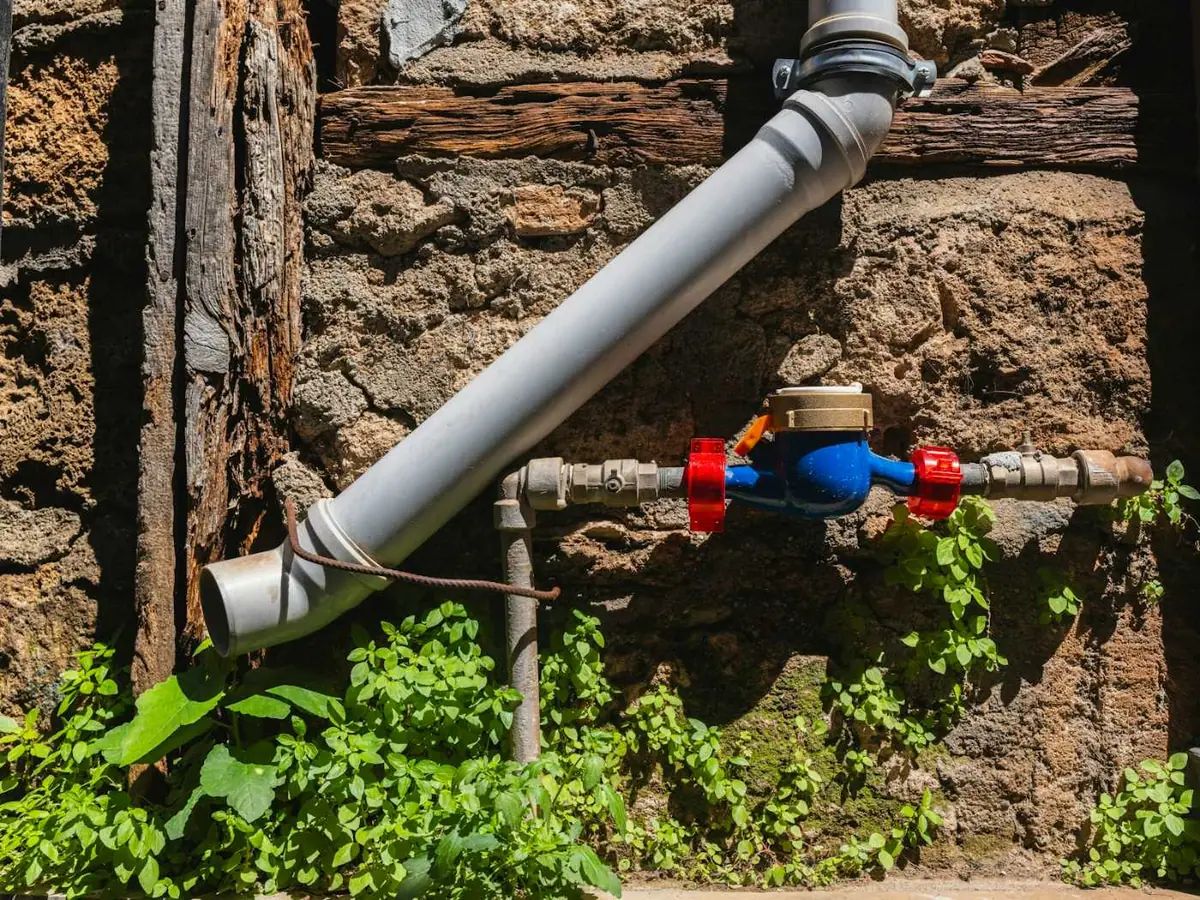
- Meter check. With every fixture off, the low-flow indicator shows whether water is being lost at all.
- Separate the service line. Closing the house shutoff tells you whether the loss is under the house or in the yard.
- Split hot from cold. Isolating the water heater shows which side of the system is leaking under the slab.
- Listen and scan. A ground microphone on the floor, thermal imaging for hot lines and pressure readings narrow the spot.
- Mark and plan. The leak is marked on the floor, and you get repair options: a spot repair through the slab, a reroute through walls or attic, or a repipe.
If a Carrollton home has polybutylene or a known repipe history, tell the provider up front so they can plan their pressure tests around it.
Want a professional to look at it? Call to request leak detection help in Carrollton and talk through what you're seeing.
Call 1-866-297-0573Areas served around Carrollton
Provider availability for Carrollton addresses is confirmed when you call. Most addresses are billed by the City of Carrollton. Because the city crosses three counties, confirm the utility listed on your bill before calling about anything on the street side.
Nearby communities include:
- Farmers Branch
- Addison
- Coppell
- Lewisville
- The Colony
- Plano
Carrollton ZIP codes
Mail and street addresses in Carrollton fall under these ZIP codes.
- 75006
- 75007
- 75010
PO Box ZIP code 75011 also belong to Carrollton but have no street addresses, so they aren’t service locations on their own.
More leak detection pages near Carrollton
Neighboring cities with dedicated guides:
- Water leak detection in Coppell, TXDallas and Denton counties. A master-planned suburb built mostly in the 1980s and 1990s.
- Water leak detection in Lewisville, TXDenton County, below Lewisville Lake dam. A renter-majority city with large apartment stock and older slab homes.
- Water leak detection in The Colony, TXDenton County, on the east side of Lewisville Lake. Founded in the 1970s, with homes from every decade since.
- Water leak detection in Plano, TXCollin and Denton counties. Mostly 1980s–1990s slab homes on Blackland clay, plus large corporate campuses.
- All Dallas–Fort Worth Metroplex citiesEvery city in this region with its own page.
Carrollton leak detection FAQ
How do I know if my Carrollton home has polybutylene pipe?
Look at exposed supply lines near the water heater and under sinks. Polybutylene is usually gray plastic and often stamped PB. A provider or plumber can confirm.
Is irrigation behind my high bill?
Often. Turn the controller off and watch the meter. If it still moves with everything off, it’s a leak somewhere else.
Can a slab leak be fixed without breaking the floor?
Often, yes. Many plumbers reroute the leaking line through walls or the attic instead of opening the slab. A provider’s findings help you choose.
Do you handle warehouse properties?
Yes. Calls for commercial and industrial properties are connected to providers who handle larger buildings and long buried lines.
Sources for the local details on this page
ZIP codes and housing-age figures come from the public sources above. Soil, climate and housing notes reflect widely published regional information. Utility policies change, so confirm anything about billing or responsibility with your own water provider.