The short answer
Leander leak detection starts with the meter, isolates irrigation and the yard line, then pressure-tests and pinpoints indoor leaks or traces buried lines through rocky ground. New construction on shallow limestone is the main local factor.
Leak problems Leander property owners run into
Leander lies northwest of Austin, mostly in Williamson County. Census estimates show about seven in ten homes built after 2000, and the city has kept growing since. Soils are thin over limestone, and many neighborhoods are in utility districts.
Leak situations common here:
- Fittings. New PEX systems leak more at connections and manifolds than in the pipe.
- Irrigation. New yards with sprinkler systems are a leading source of unexplained use.
- Construction damage. Lines nicked during building or landscaping can leak years later.
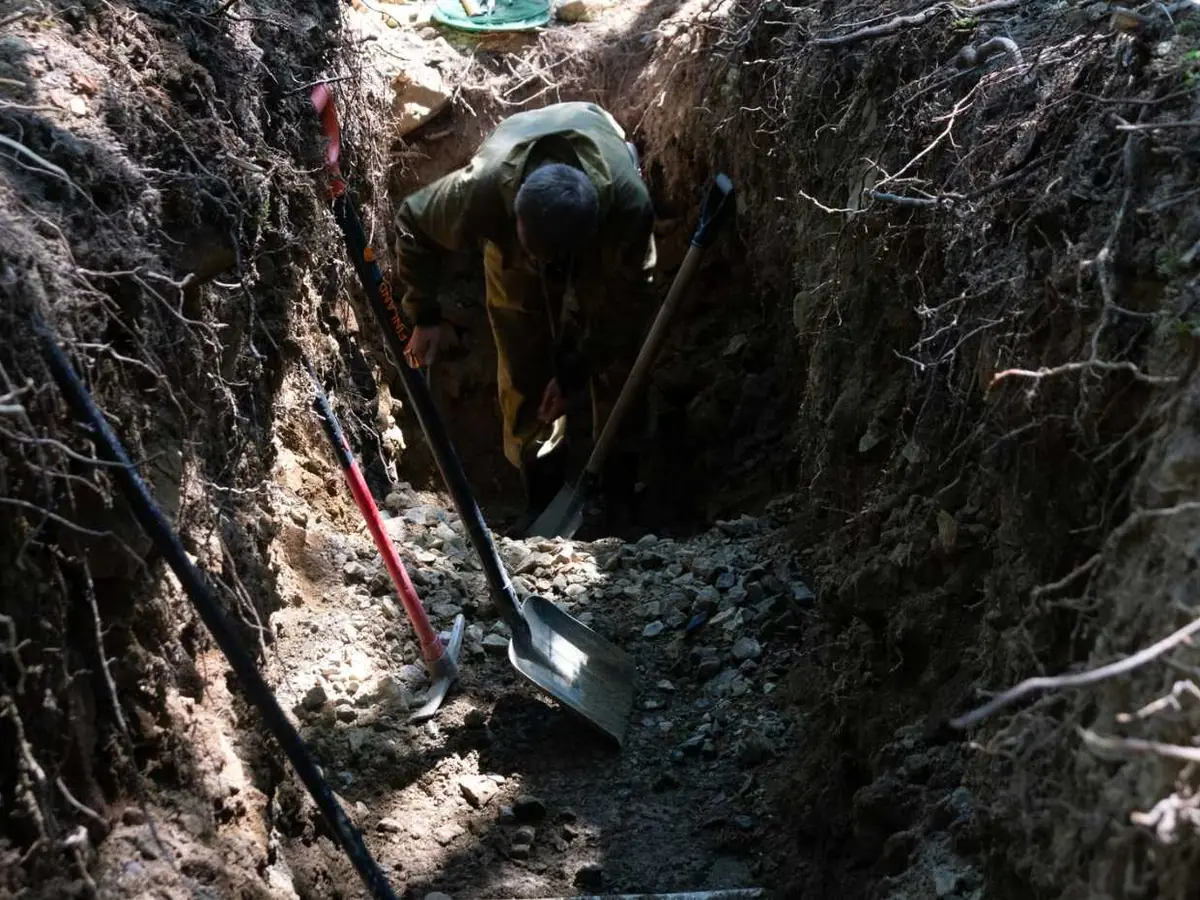
- Rock. Digging to a buried leak in limestone takes time, so precise pinpointing matters.
Signs of a water leak in a Leander home
- A leak that showed up soon after a fence, pool or landscaping job.
- A gurgle or hiss from a wall when every fixture is closed.
- Warm patches on tile floors.
- Swollen baseboards next to a bathroom or laundry room.
- Water around the manifold or water heater in the garage.
- Water seeping out of the ground downhill from the house after dry weather.
Pair any of these with a meter check before assuming the worst.
The services Leander callers ask about most
Start with the service that matches what you’re seeing. These are the ones most often relevant in Leander.
- Water Meter Leak Detection in LeanderIn a city of brand-new homes, a confusing bill is usually the first sign of a leak.
- Slab Leak Detection in LeanderLeander homes are slabs on rocky ground, where fittings rather than old pipe cause most leaks.
- Underground Leak Detection in LeanderIrrigation and yard lines in rocky soil are hard to dig, so accurate location matters.
Something else going on? Emergency leak steps and the general leak guide cover the rest.
How leak detection works in Leander
- Read the meter. The dial or digital display is read with every fixture, appliance and irrigation zone off.
- Time the loss. A short timed reading shows roughly how many gallons an hour are going somewhere.
- Close the house valve. If the meter stops, the leak is inside. If it keeps going, it’s in the yard or irrigation.
- Work through the fixtures. Toilets, the water heater relief line, softeners and ice makers are checked before anything is opened.
- Locate and report. Hidden leaks are pinpointed with pressure tests and listening equipment, and you get a written location to give the utility or a plumber.
Leander providers often check whether a home is still under builder warranty before planning repairs.
Want a professional to look at it? Call to request leak detection help in Leander and talk through what you're seeing.
Call 1-866-297-0573Service coverage around Leander
Coverage is confirmed by address when you call. Providers serving Leander typically also work in nearby communities, including:
- Cedar Park
- Liberty Hill
- Georgetown
- Jonestown
- Lago Vista
Leander addresses may be billed by the City of Leander or by a MUD, depending on the subdivision. Check your bill.
Leander ZIP codes
Street addresses in Leander use these ZIP codes.
- 78641
- 78645
PO Box ZIP code 78646 also belong to Leander but have no street addresses, so they aren’t service locations on their own.
Related guides for the Leander area
Neighboring cities with dedicated guides:
- Water leak detection in Cedar Park, TXWilliamson and Travis counties. Newer slab homes on thin soil over Hill Country limestone.
- Water leak detection in Georgetown, TXWilliamson County seat. A Victorian-era square, a large retirement community and limestone on the west side.
- Water leak detection in Round Rock, TXWilliamson County, north of Austin. Limestone to the west, Blackland clay to the east, and mostly 1990s–2000s homes.
- All Austin and the I-35 Corridor citiesEvery city in this region with its own page.
Leander leak detection FAQ
My home is two years old. Why is it leaking?
Fittings, construction damage and irrigation are common causes in new homes.
Is my builder responsible?
It depends on your builder warranty and its time limits. Keep the provider’s findings.
Why is digging so slow here?
Limestone is close to the surface, so excavation takes longer.
Who handles leaks at the meter?
The city or MUD on your bill.
Sources for the local details on this page
ZIP codes and housing-age figures come from the public sources above. Soil, climate and housing notes reflect widely published regional information. Utility policies change, so confirm anything about billing or responsibility with your own water provider.